
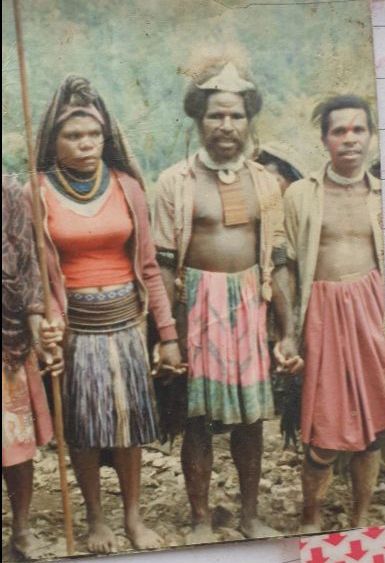
Tima, a humble rural village resting at the far end of the Nembi Plateau, carries within its soil a story of pain, strength, and resilience. Yesup Tribe is one of the Nine Major Tribes in Pomberal, Nembi Plateau LLG, Nipa-Kutubu District, Southern Highlands Province. Pomberal Ward 2 is made up of three major tribes and Yesup is one of them. With a population of less than 1000 from four clans – Goulop, Harl-Yesup, Kaymel and Konjop, the Yesup Tribe strives to overcome challenges and build a brighter future for its people. The history of the Yesup Community is rooted in tradition, unity, and the resilience of our ancestors. Over the years, our people have overcome challenges and embraced growth while maintaining cultural values.
For generations, this quiet corner of the land was home to a people whose hands shaped the lives of others, yet whose own worth was never acknowledged. The ancestors of Tima, the Yesup Tribe, were known for their strength and skill. For generations, the Tribe’s Ancestors provided essential groundwork manpower, serving as warriors, hunters and gatherers, and supplying traditional bush materials along with kapipi and bush kumu such as ferns, with the most commonly demanded being Watercress from Waghi River. They were called upon to serve, to fight, and to build, but their contributions were met with silence. The surrounding dominant tribes of Pomberal exploited their labor, leaving them with little recognition, little return, and even less dignity. Generations grew up under the shadow of discrimination, enduring hardship with quiet endurance.
Despite the weight of oppression, the spirit of Tima never died. Beneath the hardship, there was faith — a belief that their struggle had meaning, that their story was not meant to end in silence. Tima, though forgotten and without even a proper water source for years, stood firm. Its people continued to work, to share, to hope. The Tribe began to draw meaning from the name “Yesup,” which means Jesus and “Yekilanda” means House of God. With this belief, the Tribe had a long-held saying; “Jesus, go visit others but return to sleep at Tima.”
Through years of struggle, the Tribe began to awaken, not with anger, but with a deep awareness of who they are and what they could become. They realized that the same energy their ancestors used to serve others could now be used to build their own future. Their unity, faith, and endurance became their greatest strength. This growing consciousness led to a historic turning point; the birth of the Yesup Community Association (YCA). Formed out of a desire to protect their rights, promote development, and restore the dignity of their people, YCA became the voice of unity and hope. The Association was formed in the midst of a very serious problem that was leading to warring tribes between Yesup and Yomo in December 2024. It emerged during a time of conflict and uncertainty, but also of awakening, a time when the Tribe chose peace over division and progress over pain.
The formation of YCA marked the beginning of a new era for Tima, a movement from being the forgotten corner of Nembi Plateau to becoming a beacon of transformation. It is not merely an organization, but the heartbeat of a people who have risen from the margins to claim their rightful place with pride, faith, and purpose. Founded on Christian values and a shared vision for progress, YCA Inc. focuses on both spiritual and physical development through education, social programs, and community initiatives. Our Vision, Mission, and Motto guide our purpose and define the direction of the YCA as we work together to uplift our people and community.
To promote God in Tima/Yesup Tribe.
To promote peace, unity, and reconciliation among the members of the Yesup Tribe and neighboring clans.
To create platforms for community dialogue and problem-solving.
To support economic and social development initiatives within the village.
To provide educational and mentorship opportunities for members, especially youth.
To address community issues collaboratively and plan innovative strategies for village progress.